

Your sleep mask leaks light around the nose because a flat edge is trying to seal against a three-dimensional face. The bridge, cheeks and sides of the nose create small channels, and even a narrow one can look startlingly bright once the rest of the mask is dark.
Usually, the fix is better positioning or a mask with a shaped nose area. Tightening the strap until the mask behaves is less reliable and considerably less civilised.
Why the nose is the usual leak point
Most simple sleep masks are made from two pieces of fabric with a mostly straight lower edge. That edge may sit neatly over your cheeks but bridge across the nose, leaving a little tent on either side. Light then travels through the gap from below.
Face shapes differ, so a mask praised as perfectly dark by one person can leak on another. A higher or narrower nose bridge, prominent cheekbones and the distance between your eyes all change where the fabric lands. This is fit, not user error.
The leak can also appear when your pillow pushes the mask upward. Side sleepers tend to notice this more because the mask may twist slightly as the face settles into the pillow.
Adjust the mask in this order
Put the mask on while sitting up, then slide it slightly lower than seems natural. The lower edge should meet the sides of your nose rather than hovering above them. Smooth the fabric outward across both cheeks before adjusting the strap.
- Loosen the strap if the mask is bowing away from the centre.
- Tighten it only enough to stop obvious slipping.
- Move hair out from under the strap so it does not shift overnight.
- Check the fit in your normal sleeping position, not only while standing.
If lowering the mask blocks the nose gap but presses on your eyelids, the mask may simply be the wrong shape. You should not have to choose between a bright line and uncomfortable eye pressure.
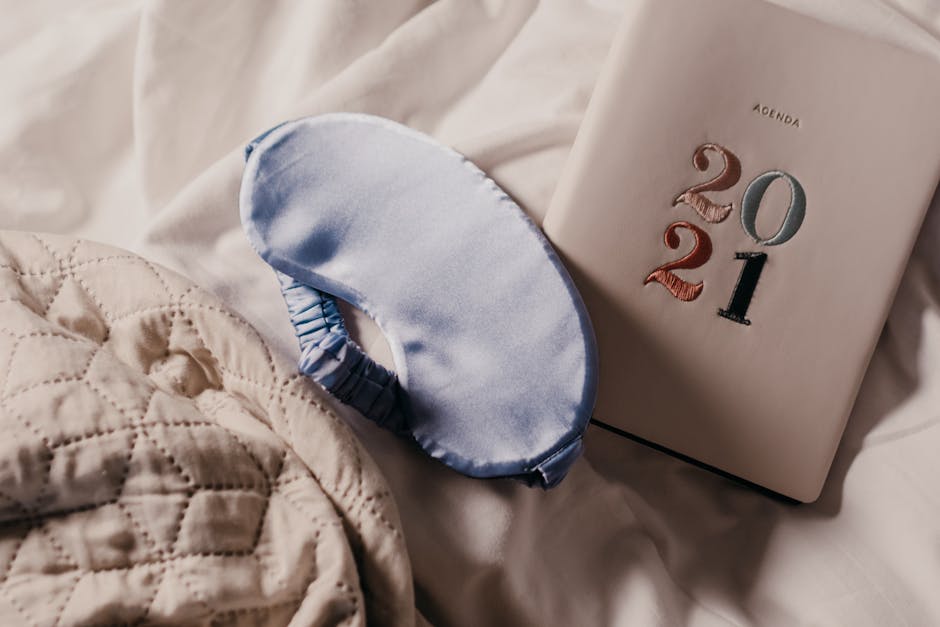
What to look for in a better fit
A contoured nose piece follows the bridge and fills the channels beside it. Soft, flexible material tends to adapt better than a stiff seam. Eye cups can also help because they create space over the eyelids while allowing the lower edge to sit closer to the face.
Wider coverage helps with leaks at the temples, but width alone does little for the nose. Look closely at the lower centre of the mask in product photographs. A shaped pad or flexible flap there is more relevant than a grand promise of total blackout.
The HushVeil sleep mask has a contoured nose-bridge pad and memory-foam eye cups. As with any mask, fit still varies by face shape, so no design can honestly promise absolute darkness for everyone.
Sometimes the room is easier to fix
If one stubborn beam still reaches the gap, find its source. A charger light, digital clock or line around the door is often easier to cover than your entire face is to redesign. Black electrical tape over an LED lacks glamour, but night-time glamour was never doing much work.
For dawn light, curtains may need attention at the sides or along the top. A mask is useful because it travels with you, but reducing the brightest leaks in the room makes its fit less demanding.
If the mask stays comfortable and the remaining glow is faint, perfection may not be necessary. The useful goal is a darker, less distracting environment, not winning a seal test against your own nose.


