

You can feel exhausted and still be unable to fall asleep because tiredness and sleepiness are not quite the same thing. Your body may want rest while light, noise, timing, stress, discomfort or a second wind keeps you alert. It is an unpleasant mismatch, not proof that you have forgotten how sleeping works.
Tired is not always sleepy
Tiredness can feel heavy, irritable or mentally foggy. Sleepiness is the more specific feeling that you could drift off. You can have the first without much of the second, particularly after a demanding day spent sitting still or pushing through fatigue.
Your internal timing matters too. The NIH notes that body clocks are influenced by light, darkness and sleep schedules. If you go to bed far earlier than usual, nap late, travel across time zones or spend the evening in bright light, your preferred bedtime and your current sleepiness may not line up neatly.
Your environment may still be saying daytime
A bright room, warm bedding, traffic, a television in the next room or somebody moving around can keep part of your attention on watch. You do not need a silent cave, but you may need the signals around the bed to become steadier and less interesting.
- Lower the brightest light rather than switching between glare and darkness.
- Cool or ventilate the room if it feels stuffy.
- Use curtains or a mask for stray light.
- Choose earplugs or low, consistent audio for unpredictable noise.
If you share the space, personal controls are often easier than trying to impose one bedtime on the whole household.
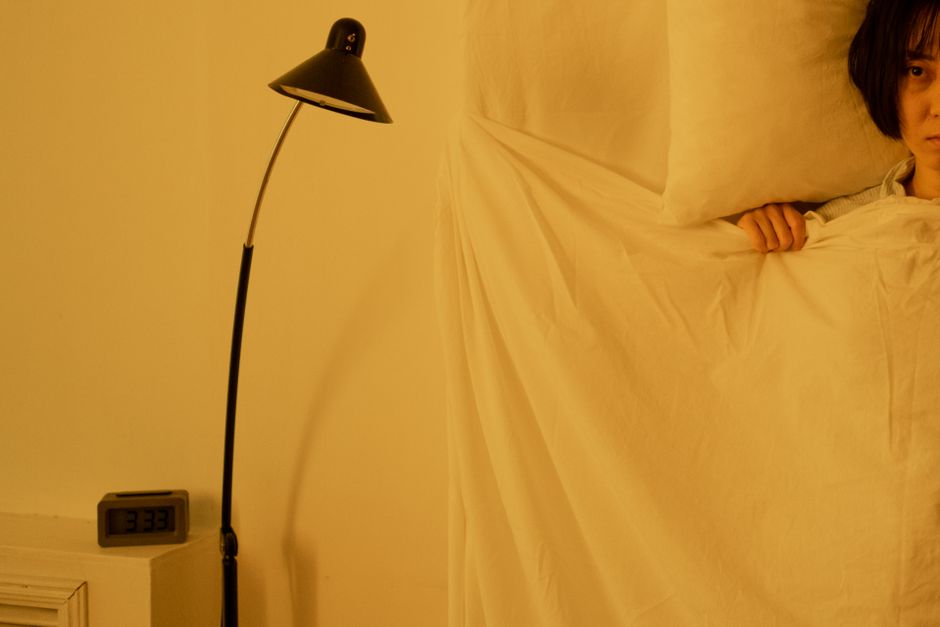
Your mind may have found its office hours
Once the day stops, unfinished thoughts finally get an empty room. Planning, replaying conversations and worrying about not sleeping can all keep attention active even while your body feels spent.
Write down the task or concern in one plain sentence and decide when you will return to it. You are not solving it at midnight; you are giving it a parking space. Then choose something repetitive and low-stakes, such as familiar audio or a few pages of a book you do not mind putting down.
What to do tonight
If you are comfortable but not sleepy, stop trying harder. Keep the light low and do something quiet outside bed for a little while, then return when you notice signs of sleepiness. Avoid checking the clock every few minutes.
Look at caffeine, late naps, alcohol, new medication, pain and schedule changes the next day, without turning the review into self-blame. Often the explanation is a combination rather than one villain.
If this keeps happening, affects your daytime functioning or comes with distressing symptoms, discuss it with a healthcare professional. Persistent difficulty falling asleep has more possible causes than an article can sort out for you.
References
- National Heart, Lung, and Blood Institute, NIH. How Sleep Works.


