

When you wake in the middle of the night, keep the room dim, avoid checking the time repeatedly and give yourself a quiet chance to settle. If you remain plainly awake, get out of bed for a calm, low-light activity and return when you feel sleepy again. The aim is not to force sleep. Sleep is famously unimpressed by force.
First, do less
A brief awakening is not automatically a crisis. Stay comfortable, loosen your jaw and shoulders, and let your attention rest on something neutral: slow breathing, the weight of the blanket or a familiar mental scene.
Turn the clock face away. Knowing it is 2:47, then 2:58, then somehow 3:06 tends to turn a quiet interruption into an overnight performance review.
Check the room before blaming yourself
Sometimes the reason is ordinary and external. The room has become warm, a neighbour’s light has reached the curtain edge, the heating has clicked on or another person has begun snoring. Adjust what you can with as little light and activity as possible.
- Move a layer of bedding rather than switching on a bright light.
- Use the bathroom without opening messages on your phone.
- Cover or turn away a new light source.
- Use earplugs or steady, low audio if noise is the problem.
This is not about perfect behaviour. It is about keeping a small awakening small.
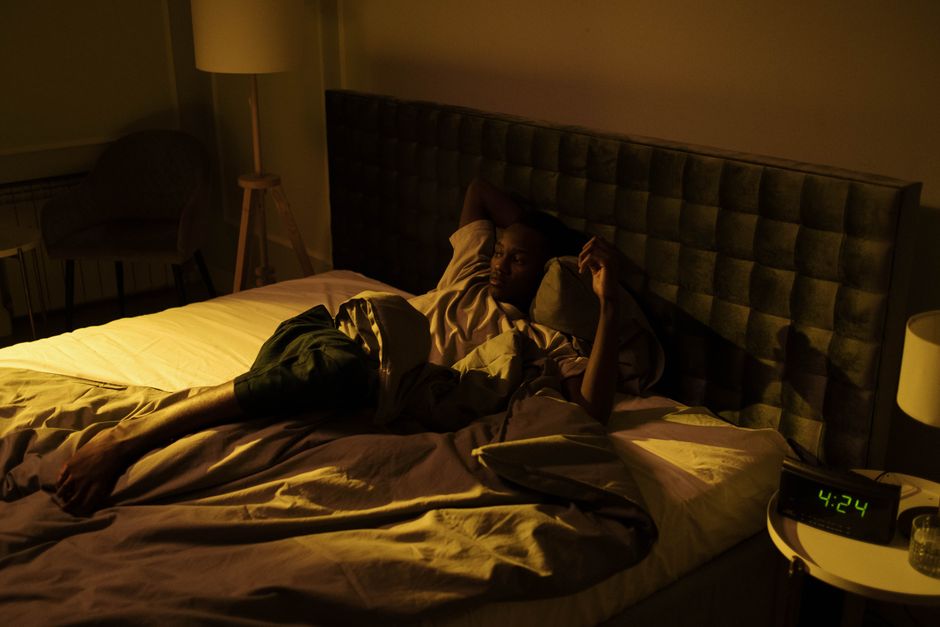
If you are still awake, change the scene
If lying there has become frustrating, move to a chair or another quiet spot. Read something undemanding under low light, listen to familiar audio or do another calm activity. Return to bed when sleepiness comes back.
Avoid turning the interval into useful daytime. Work, chores and emotionally loaded messages can make the room feel fully awake. The kitchen cupboard also becomes unusually persuasive at 3 a.m.; it does not necessarily have new answers.
Look for patterns in daylight
One disrupted night needs no investigation. If it happens often, make a simple note the next morning of timing and obvious factors such as noise, temperature, alcohol, pain, stress or needing the bathroom. Patterns are easier to see after sunrise than from inside the event.
Speak with a healthcare professional if repeated waking is affecting daily life, lasts for a prolonged period, or comes with symptoms such as breathing difficulty, chest pain, severe distress or anything else that concerns you. General sleep tips cannot explain every recurring awakening.


